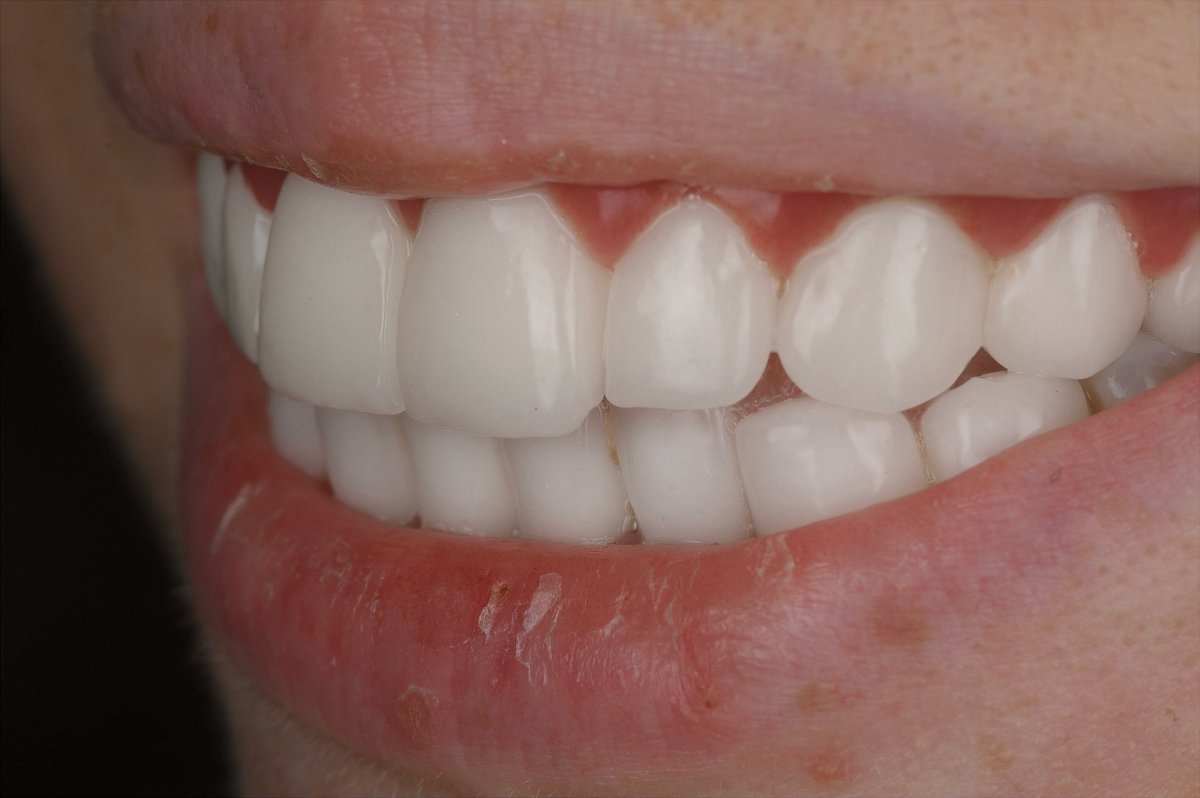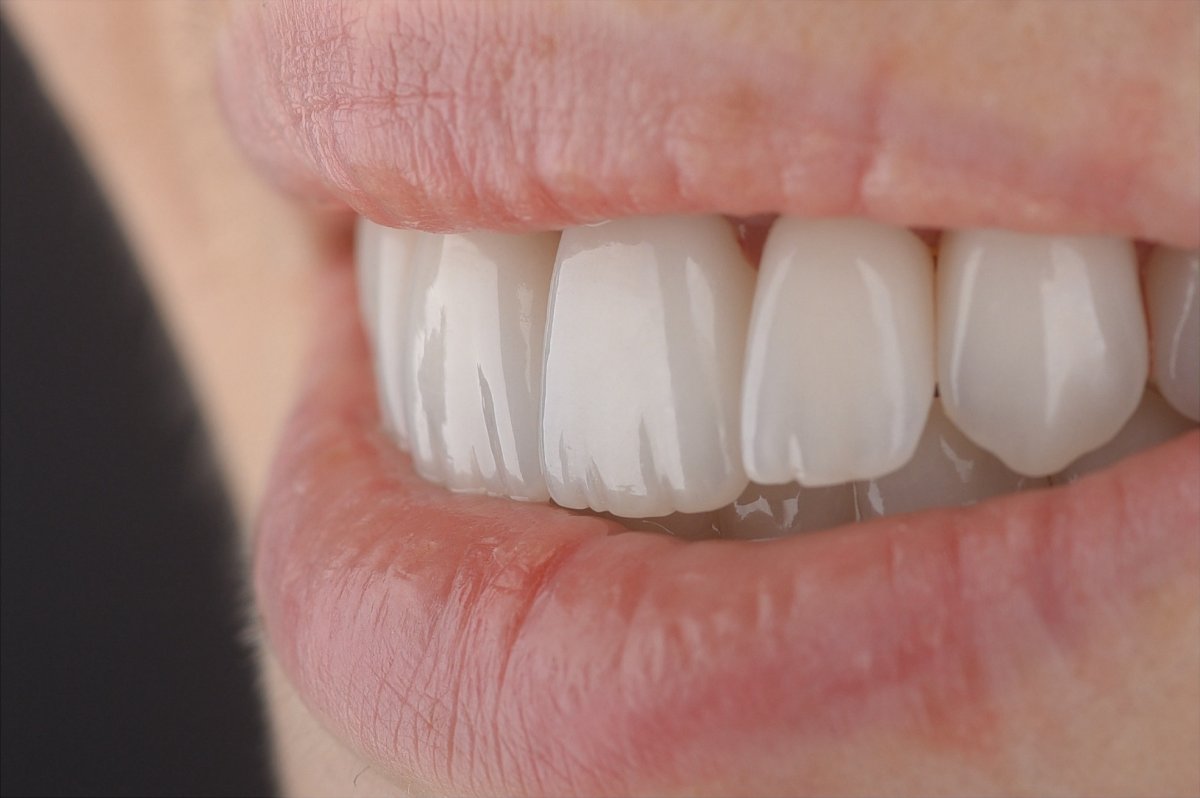
Restore and strengthen damaged teeth with custom-made crowns designed to look and feel just like your natural smile.
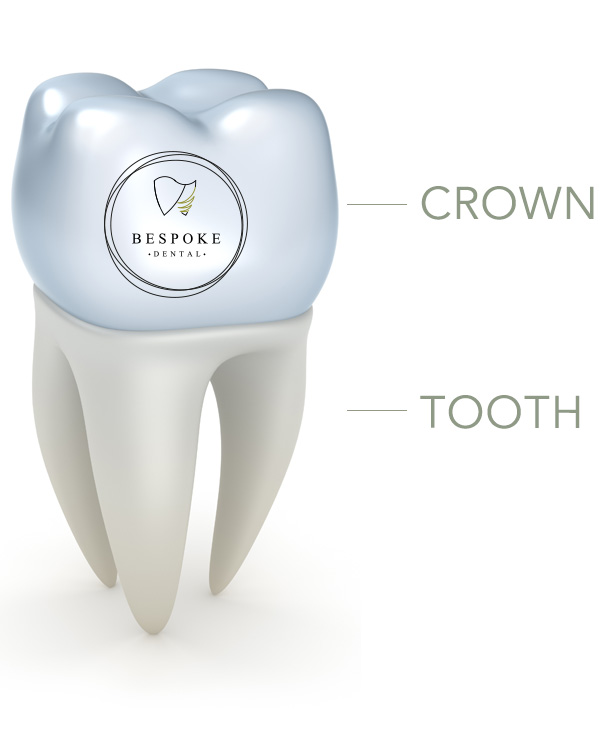

Dental crowns are custom-made caps that fit over a damaged or weakened tooth to restore its shape, strength, and appearance. They are a great solution when a tooth needs extra support — whether due to decay, cracks, or after root canal treatment.
Two popular types of crowns are porcelain fused to metal (PFM) and porcelain fused to zirconia (PFZ). While both offer strength and a natural look, there are some key differences that help us decide which one might be best for you.
PFM crowns have a strong metal base underneath a layer of tooth-coloured porcelain. The metal gives them durability, making them a solid choice for back teeth, while the porcelain on top helps the crown blend in with your natural smile.
PFZ crowns, on the other hand, use a zirconium base — a strong, biocompatible material known for being both durable and fracture-resistant. Because both the zirconium and porcelain are naturally translucent, these crowns offer a beautifully lifelike appearance, especially for front teeth - where aesthetics matter most.
The right choice for you depends on where the crown will be placed, how visible the tooth is when you smile, and your personal preferences for durability and appearance. While PFM crowns have been trusted for many years, PFZ crowns are becoming increasingly popular for their balance of strength and beauty.
Your dentist will talk you through the options and help you choose the crown that best suits your individual needs — both functionally and cosmetically.
Next Step
A simple consultation can help you discover how crowns can restore your smile.
Porcelain Fused to Metal (PFM) Crown
€800 per tooth
Porcelain Fused to Zirconia (PFZ) Crown
€900 per tooth
Patients can claim a 20% tax refund for non-routine dental treatments. Simply request the necessary MED2 form from our clinic.
There are two appointments:
PREPARATION APPOINTMENT
During your preparation appointment for a dental crown, the dentist will first numb the area with a local anaesthetic to ensure you are comfortable. Instead of using traditional impressions, our dentist will take digital scans of your tooth using a small, non-invasive camera. These scans create a detailed 3D image of your tooth, which is sent directly to the lab to design your custom crown. The tooth will be reshaped to make room for the crown, and you will be fitted with a temporary crown while the permanent one is being made. The whole process is precise, and comfortable!
FINAL FIT APPOINTMENT
Once the permanent crown is sent back from the lab, you are ready for the final fit appointment. Again, the dentist will first numb the area with a local anaesthetic to ensure you are comfortable. Then they will replace the temporary crown with the permanent one.
This part of the treatment is especially quick and easy.
| PFM (Porcelain Fused to Metal) | PFZ (Porcelain Fused to Zirconia) | |
|---|---|---|
| Core Material | Metal alloy (e.g. nickel-chromium, cobalt-chromium) | Zirconium (ceramic) |
| Stregth | Very strong and durable | Extremely strong |
| Aesthetics | Natural look, but may show a dark line at the gum | Highly natural and lifelike with no metal shadow |
| Best for | Back teeth or areas needing strong bite support | Front teeth of visible areas needing high aesthetics |
| Stain Resistance | Good | Excellent |
| Cost | Lower | Higher |
Dental crowns are usually done within two appointments; one preparation appointment and a final fit appointment.
Dental crowns are an invasive treatment, as a layer of natural tooth structure needs to be removed to create space for the crown. Unlike treatments such as whitening or additive composite bonding, this process is irreversible.
Getting a dental crown should not hurt. Your dentist will numb the area with local anaesthetic, so you will feel pressure but no pain during the procedure. Afterwards, it's normal to have mild soreness or sensitivity, especially around the gums, but this usually settles in a day or two and can be managed with regular pain relief. If you are feeling nervous, just let your dentist know — they will make sure you are comfortable from start to finish.
Yes, your dentist will administer local anaesthetic at the beginning of both appointments.
Depending on the material of the crown, they usually last 10-15 years, or even longer than that.
The warranty covers issues related to the fit, fracture, or failure of the veneer due to material or workmanship problems. If a crown chips, cracks, or comes off under normal use, we will repair or replace it within the first 3 years. However, it doesn’t cover damage caused by accidents, trauma, teeth grinding (bruxism), or neglect—such as poor oral hygiene or missed maintenance visits. Wearing a night guard (if recommended) and attending regular check-ups are conditions of the warranty.

Marine Court Centre
The Green
Malahide
K36 TC61
01 806 1312
info@bespokedental.ie


At Bespoke Dental, we believe in patient-centred care. We understand that every patient is unique and requires tailored solutions. We are proud to be the highest-rated dental clinic not only in Malahide, but in all of North Dublin.
Monday - 8:30 - 20:00
Tuesday - 8:30 - 20:00
Wednesday - 9:00 - 18:00
Thursday - 8:30 - 17:00
Friday - 8:30 - 17:00
Saturday - by appointment only
Sunday - by appointment only
GENERAL DENTISTRY
Check-ups
Hygiene Treatments
White Fillings
Endodontics - Root Canal
Extractions