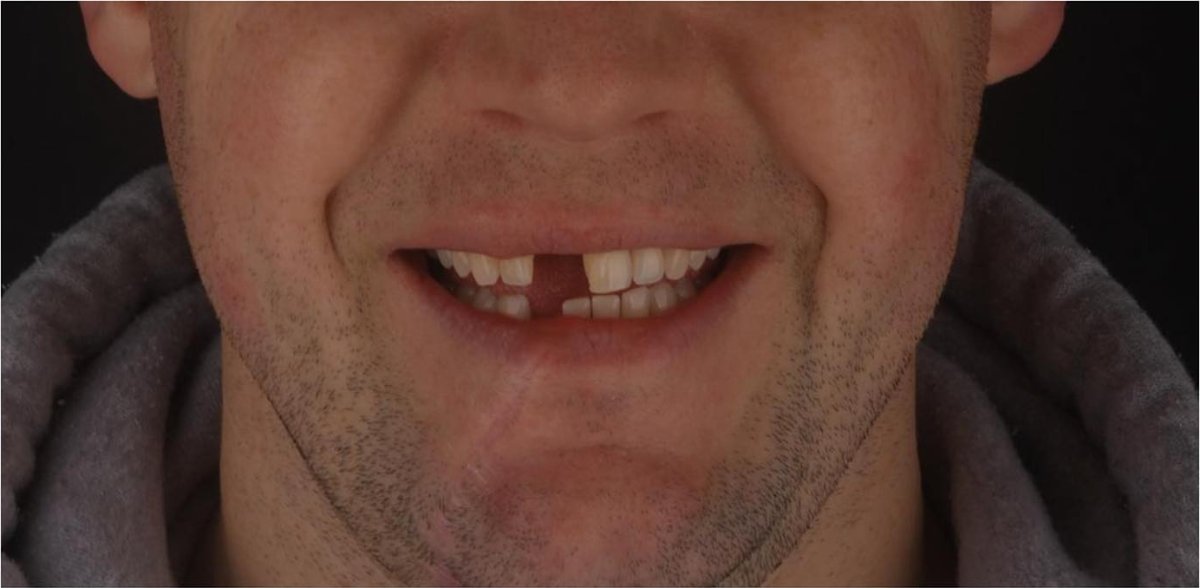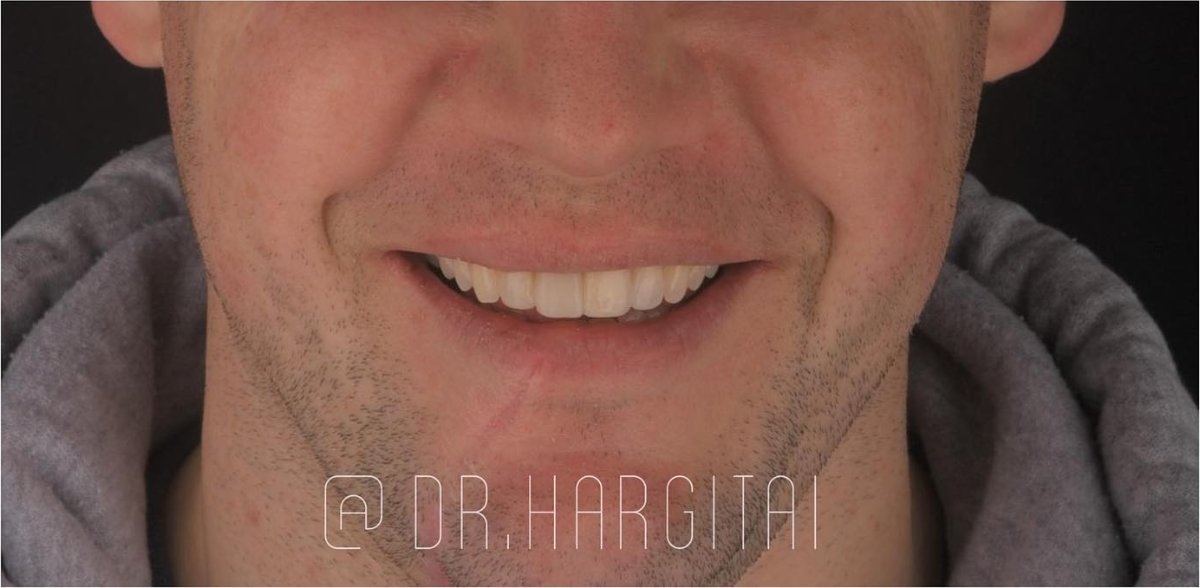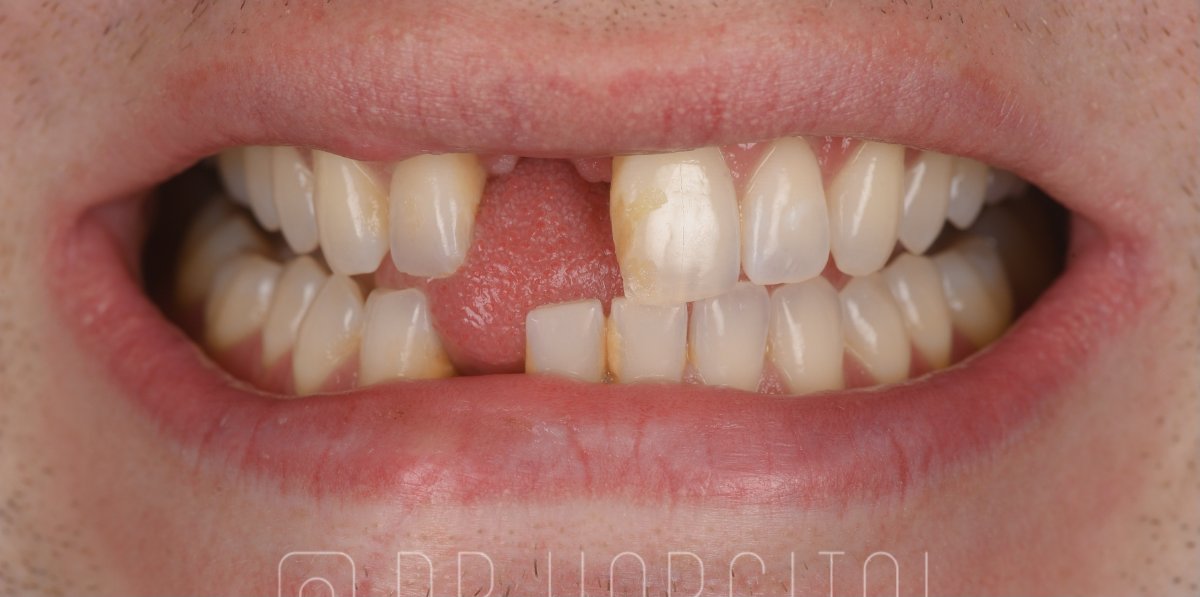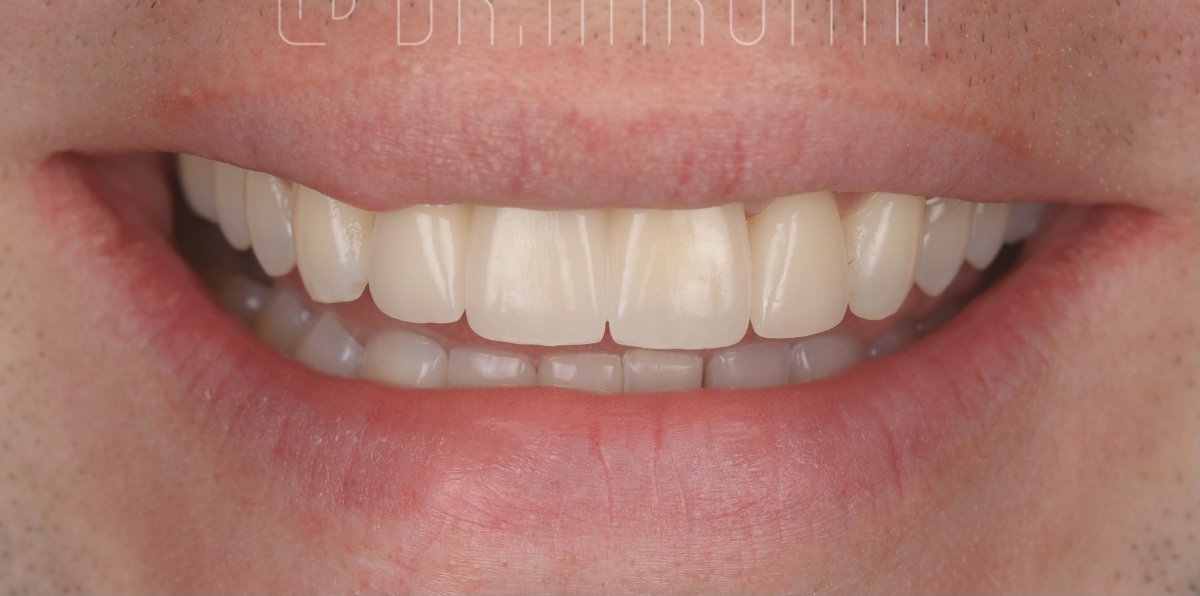

A fixed, natural-looking way to replace one or more missing teeth and restore your smile.
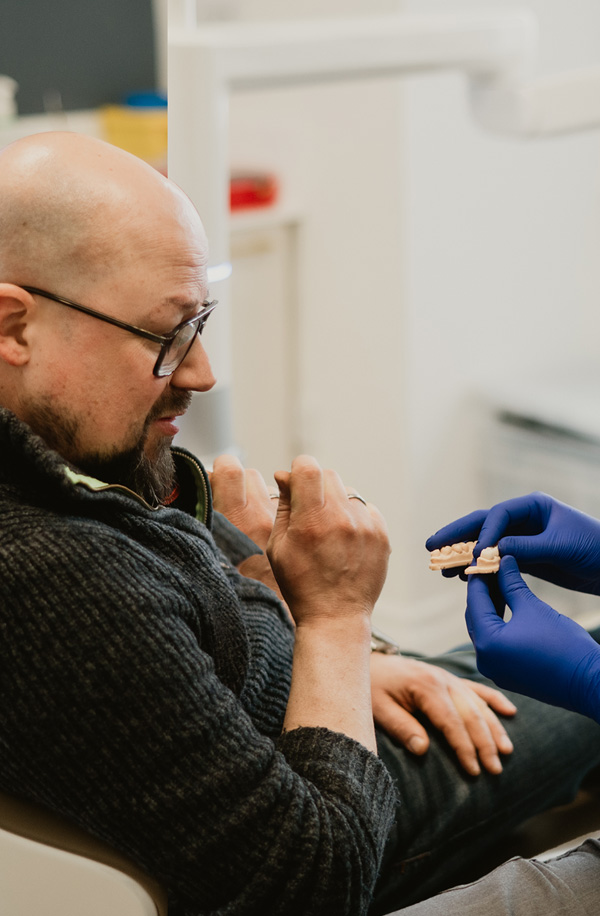
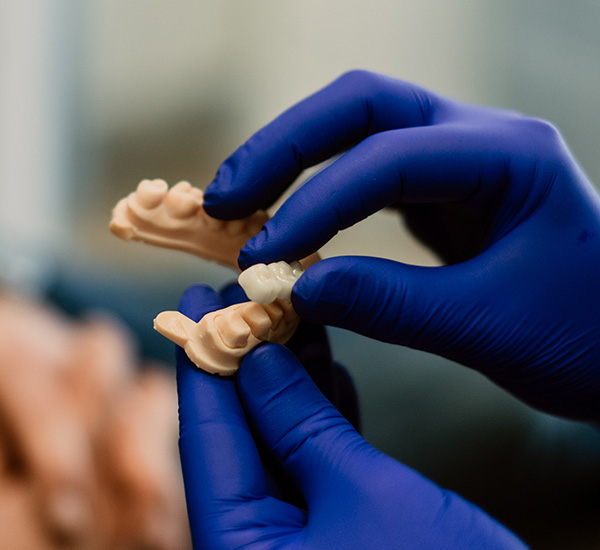
A dental bridge is a prosthetic used to replace one or more missing teeth, helping restore both the appearance and function of your smile. It consists of an artificial tooth (called a pontic) that fills the gap, supported by crowns placed on the adjacent healthy teeth or dental implants. This not only restores your smile but also prevents the remaining teeth from shifting out of place and helps with proper chewing and speaking.
Dental bridges can be made from different materials, such as PFM (Porcelain Fused to Metal) or PFZ (Porcelain Fused to Zirconium).
PFM bridges offer a good balance of strength and a natural look, with a metal base for durability and a porcelain outer layer for aesthetics.
PFZ bridges, made with zirconium, are even stronger and provide excellent aesthetics, especially for visible teeth, as both zirconium and porcelain are highly translucent.
Your dentist will assess your needs and help you choose the best type of bridge for your specific situation, ensuring both function and appearance are perfectly restored.
Next Step
A friendly consultation is the easiest way to see if a dental bridge is the right solution for replacing missing teeth.
Next Step
A consultation can help you discover how a dental bridge can restore the function and appearance of your smile.
Porcelain Fused to Metal (PFM) Bridge
€800 per tooth
Porcelain Fused to Zirconia (PFZ) Bridge
€900 per tooth
Patients can claim a 20% tax refund for non-routine dental treatments. Simply request the necessary MED2 form from our clinic.
There are two appointments:
PREPARATION APPOINTMENT
During the preparation appointment for a dental bridge, your dentist will first numb the area with local anaesthetic to ensure you are comfortable. Then, the adjacent healthy teeth will be reshaped by removing a small amount of enamel to make space for the crowns that will support the bridge. After that, your dentist will take digital impressions (intraoral scans) or traditional impressions of your teeth to create an accurate model for your custom bridge. You will be fitted with a temporary bridge to protect the area while your permanent bridge is being made in the dental lab.
FINAL FIT APPOINTMENT
At the final fit appointment, your permanent bridge will be ready. Your dentist will carefully place the bridge to check for fit, comfort, and bite. Once everything is perfect, the bridge will be securely bonded to the prepared teeth. The process usually takes just one or two visits, and once completed, you will have a restored smile that looks and functions naturally.
| Dental Bridge | Dental Implant | |
|---|---|---|
| Treatment | Supported by neighbouring teeth | Replaces the missing tooth from the root up |
| Healthy teeth | Usually requires preparation of adjacent teeth | Neighbouring teeth are usually left untouched |
| Bone preservation | Does not replace the tooth root | Helps maintain the jawbone around the missing tooth |
| Longevity | May need replacement over time | Designed as a long-term solution and can last many years with good care |
| Cleaning | Requires special cleaning underneath the bridge | Can generally be cleaned more like a natural tooth |
| Treatment time | Usually quicker | Usually takes longer due to healing and integration |
| Surgery | No implant surgery required | Requires a minor surgical procedure |
| Cost | Usually lower initial cost | Usually higher initial cost, but may offer better long-term value |
Dental bridges are usually done within two appointments; one preparation appointment and a final fit appointment.
It is a minimally invasive treatment. The key consideration when getting a dental bridge is whether it needs to be supported by healthy teeth. This means that the adjacent healthy teeth must be reshaped and filed down to fit crowns, which will support the bridge.
Getting a dental bridge shouldn't hurt. Your dentist will use local anaesthetic to numb the area, so you won't feel any pain during the procedure. You may feel some pressure or mild discomfort while your teeth are being prepared, but it shouldn't be painful. After the procedure, it's normal to have some mild soreness or sensitivity for a few days, especially if your teeth were reshaped. This can usually be managed with over-the-counter pain relief and should go away quickly. If you are feeling nervous, be sure to let your dentist know, as they will do everything to keep you comfortable throughout the process.
Yes, your dentist will administer local anaesthetic at the beginning of both appointments.
Dental bridges typically last between 5 to 15 years, depending on various factors.
The warranty covers issues related to the fit, fracture, or failure of the veneer due to material or workmanship problems. If a bridge chips, cracks, or comes off under normal use, we will repair or replace it within the 3 years warranty period. However, it doesn’t cover damage caused by accidents, trauma, teeth grinding (bruxism), or neglect—such as poor oral hygiene or missed maintenance visits. Wearing a night guard (if recommended) and attending regular check-ups are conditions of the warranty.

Marine Court Centre
The Green
Malahide
K36 TC61
01 806 1312
info@bespokedental.ie


At Bespoke Dental, we believe in patient-centred care. We understand that every patient is unique and requires tailored solutions. We are proud to be the highest-rated dental clinic not only in Malahide, but in all of North Dublin.
Monday - 8:30 - 20:00
Tuesday - 8:30 - 20:00
Wednesday - 9:00 - 18:00
Thursday - 8:30 - 17:00
Friday - 8:30 - 17:00
Saturday - by appointment only
Sunday - by appointment only
GENERAL DENTISTRY
Check-ups
Hygiene Treatments
White Fillings
Endodontics - Root Canal
Extractions